

AI in the Field: Harnessing Databricks & Agent Bricks for Agricultural Intelligence

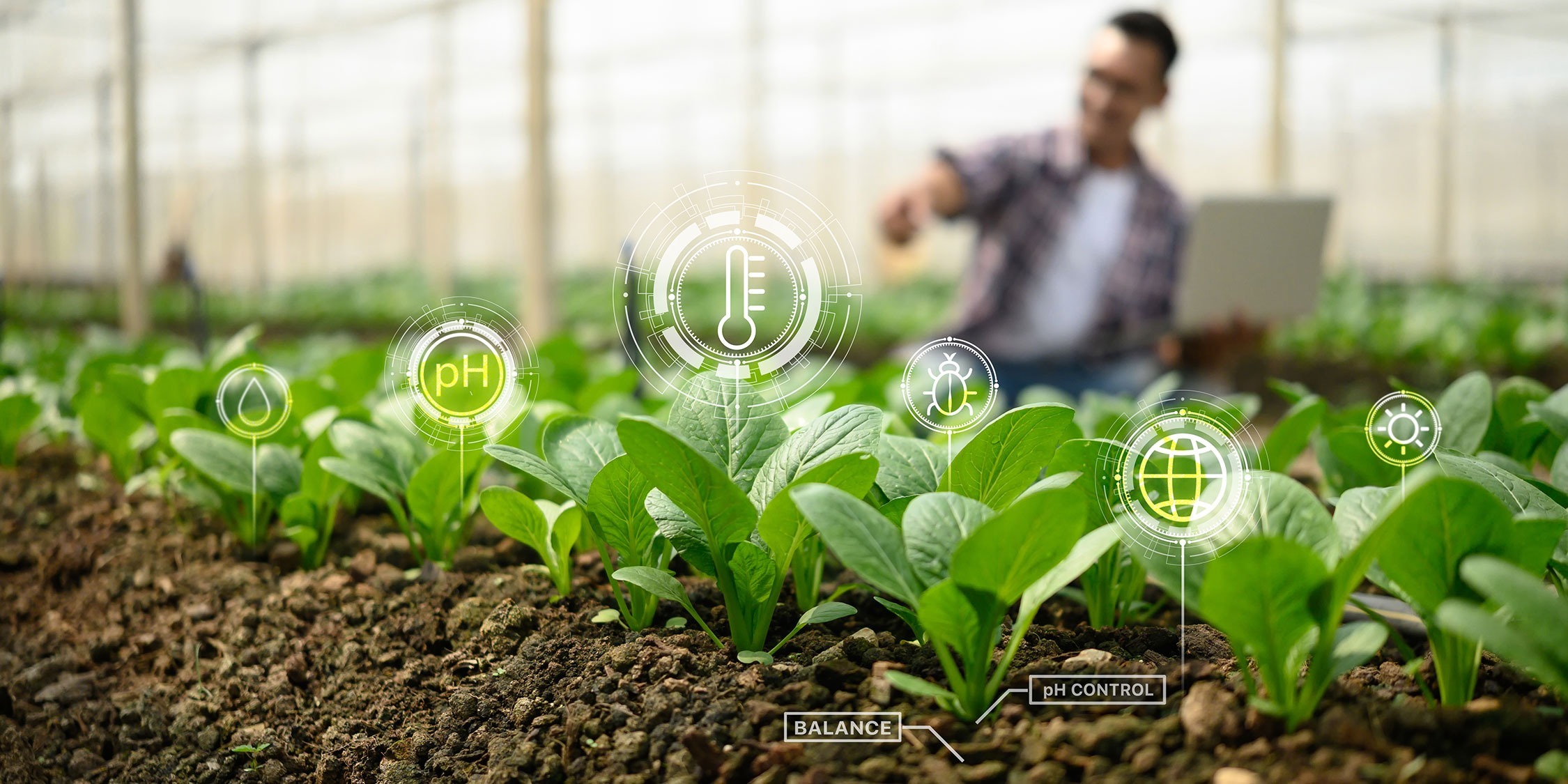
Today, farming is filled with data. This includes information from sensors that measure soil moisture, temperature, and nutrient levels, as well as weather predictions, images from drones and satellites, records of crop yields and harvests, market prices, and details about supply chains. The real challenge is not just gathering the data, but understanding it, i.e. finding patterns, creating insights, and making decisions based on what you learn.
This is where modern AI platforms like Databricks can play a pivotal role. They bring together data lakes and Lakehouses. They help in handling large amounts of data and support machine learning. With the introduction of Agent Bricks, users can now create high quality AI agents based on specific data from their fields. Using this approach in farming, we can change basic agricultural information into smart helpers and useful insights that assist farmers, agronomists, supply chain workers, and decision-makers.
The Role of Intelligent Agents in Smart Agriculture
The agricultural sector is undergoing profound transformation because of the huge amount of data coming from soil sensors, weather stations, satellite and drone images, and supply-chain records. On big farms, the large amount and variety of data make it hard for people to review everything and find all the useful information. Intelligent agents help change the process from just gathering basic information to providing useful advice when needed.
Agriculture requires specific knowledge beyond just handling data. For example, is the moisture level unusual for the type of crop and soil? Which farm area might produce less than expected? Smart agents can be taught or set up with farming models that identify patterns and point out unusual situations that need human attention. These agents don’t just share the numbers; they explain what the numbers mean in their situation.
The importance of making decisions quickly is very high. Delaying actions like watering crops, adding fertilizer, controlling pests, or planning when to harvest can lead to lower crop yields, more waste, or poorer quality. Smart agents provide ongoing monitoring and send alerts, allowing for quick actions instead of waiting for someone to check things manually or for scheduled inspections. Another important factor is usability. Field agronomists and farmers usually aren't data scientists, so they need advice in simple language or through easy-to-use tools like chatbots and mobile alerts. Smart agents connect complicated data analysis with practical advice. They take what the data shows and explain what farmers or operators need to do next.
Scalability is very important. When you oversee many plots, fields, or farms, you can't depend on checking each one by hand. Smart agents help automate thinking, keep track of things, send notifications, and even plan tasks for large operations. In summary, they assist in going from gathering data to understanding it, and then to creating useful insights on a large scale.
Agent Bricks: Auto-Optimized Enterprise AI Agents
Agent Bricks on the Databricks Lakehouse Platform streamlines the creation and deployment of domain-specific AI agents across industries including agriculture, healthcare, and finance. With built-in governance (via Unity Catalog), model tracking (via MLflow), and production-ready workflows, it enables organisations to go from prototype to live system efficiently.
In agriculture, it integrates data like soil sensors, weather feeds, drone imagery and yield records to build smart agents delivering tasks such as irrigation scheduling or nutrient-deficiency alerts. These agents deploy seamlessly via APIs or dashboards, include continuous feedback loops, and scale across farms; all backed by a unified, governed data infrastructure.
Databricks: Powering Precision Agriculture
Databricks is revolutionizing precision agriculture by seamlessly integrating vast datasets, applying advanced analytics, and enabling AI-powered decision-making throughout the agricultural value chain. Its agentic AI capabilities such as autonomous crop-yield forecasting, utilize scalable cloud infrastructure to deliver exceptional predictive accuracy. By harnessing Databricks’ unified platform, organizations can combine real-time data from soil health sensors, weather stations, and satellite imagery into a single pipeline driving actionable insights and operational excellence.
Databricks Powered Solutions for Precision Agriculture
With Databricks at the heart of modern agriculture, every field, sensor and market signal becomes part of a smarter ecosystem for higher yields and lower waste. The following solutions show how Databricks help.
- Crop Yield Prediction and Forecasting
Databricks empowers organizations to develop sophisticated yield-prediction models by bringing together a wide range of data, from weather trends and soil characteristics to historical crop‐yield records into a unified analytics framework.
- Input Optimization (Fertilizers, Pesticides, Irrigation)
By analyzing localized soil, weather, and crop data, Databricks helps optimize the use of fertilizers, pesticides, and water.
- Disease and Pest Detection
Harnesses predictive modelling and image based AI to detect crop diseases and pest infestations early, enabling farmers to receive timely health assessments and intervention recommendations, and thereby safeguard yields and reduce losses.
- Precision Spraying and Resource Application
It uses computer vision and machine learning to distinguish between crops and weeds.
- Supply Chain and Demand Forecasting
Databricks help agricultural organizations optimize their supply chains by integrating farm to market data, improving demand forecasts and logistics, reducing spoilage, and enhancing traceability throughout the value chain.
With Databricks driving precision agriculture, farms are far more efficient, productive and sustainable. Predictive models built on unified data: weather, soil, crop history mean yields go up and input costs go down. By improving fertilizers, pesticides, and water use, and by using image-based technology to spot diseases early, every part of the farm gets smarter. And also, by improving how we predict supply chain needs and manage logistics, we can greatly reduce spoilage and enhance the ability to track products throughout the entire process. The result? With scalable solutions that work for small plots and large operations alike, some farmers even report major reductions in chemical use and a lighter environmental footprint.
The Way Forward
In an age where every seed is sown, every sensor reading and every field image holds the key to more efficient, sustainable farming, Databricks and Agent Bricks are enabling that transformation. By converting raw agricultural data into actionable AI insights, farms and agribusinesses can detect risks earlier, optimize operations, and make smarter decisions at scale. The result is a future-ready agricultural ecosystem, one where data isn’t just collected, but leveraged; where insights don’t just inform but drive real-world impact. With this shift now within reach, the way we grow food is evolving and the full potential of precision agriculture is just beginning to unfold.