

From Hurdles to Harvests: Practical Paths for Agritech Adoption
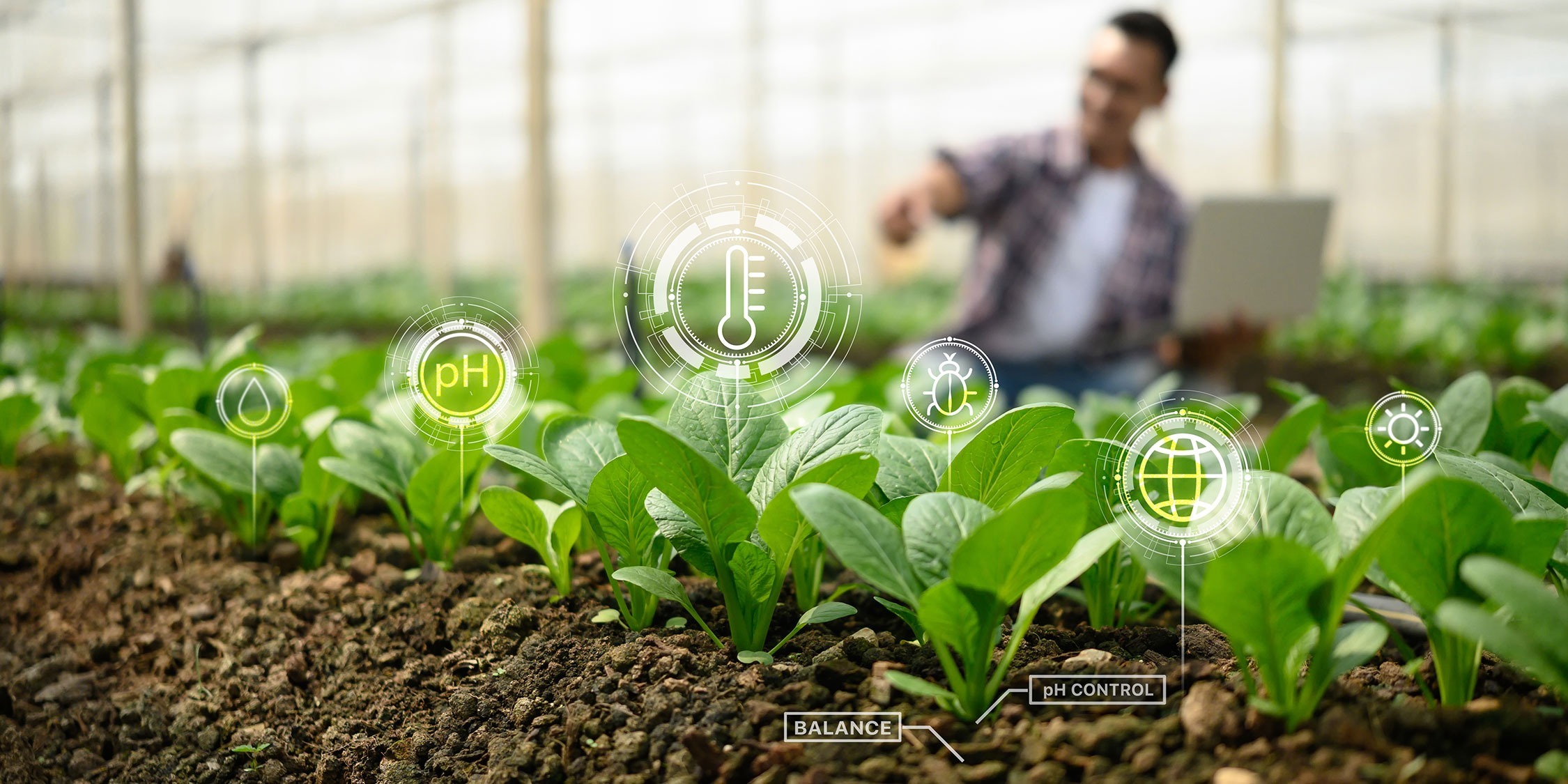
Farmers everywhere are experiencing a silent change in Agritech. Smart sensors in farms, along with tools that help us make decisions based on data and machines that can work on their own, are set to change the way we produce food. Agritech can greatly help by making farming more efficient, more environment friendly, and increasing crop production. However, the path from making promises to actually putting them into action is not easy. Farmers in different areas, like rural India, Africa, and other developing countries, face many challenges before they can take full advantage of modern solutions.
Key Challenges & Practical Solutions
1. Costs Barriers
High costs present a significant hurdle in adopting modern agricultural technology. Many small to mid-sized farmers find the price of advanced tools like drones, precision sensors, automated machinery, and specialized software prohibitive. The financial burden extends beyond the initial purchase, as farmers must also consider expenses for maintenance, connectivity, and ongoing subscription fees. These recurring costs can make it difficult for smaller agricultural operations to keep up with technological advancements.
Farms can tackle the financial hurdles of adopting agricultural technology by initially choosing affordable tools. They might consider creative financing options such as leasing, microfinance, or subscription services to manage expenses over time. Additionally, they can look into government grants or support from non-governmental organizations to offset initial costs and make technology more attainable.
2. Skill Development
Embracing new technology can be challenging, particularly for farmers in rural areas who may not have much experience with digital tools. Even when new tech is within budget, understanding how to use it can seem daunting. This lack of confidence often leads to hesitation in adopting new methods.
To overcome this, farms can play a crucial role in supporting the adoption of agricultural technology. Offering hands-on training through workshops and field demonstrations helps demystify complex software and analytics. Simple guides can also make the transition smoother. Additionally, farms can rely on local champions those tech-savvy farmers or extension workers who can offer ongoing support. Encouraging peer learning within farmer groups or cooperatives allows members to share experiences, tips, and insights. This collaborative environment not only builds confidence but also helps spread effective practices among the community.
3. Resistance to Change
Agriculture has long been grounded in tradition, with farmers often drawing on techniques passed down through generations. The introduction of digital tools might seem unsettling, even redundant, to those accustomed to succeeding without modern technology. However, farms can harmonize tradition with technology by demonstrating tangible benefits from other similar farms. Introducing technology in manageable steps allows farmers to adapt at their own pace. It's important to highlight how agritech can complement and enhance traditional farming practices, rather than supplant them. This approach respects the heritage of farming while opening doors to innovative possibilities.
4. Environmental Factors
Environmental conditions can significantly affect the effectiveness of agricultural technology. Unpredictable weather patterns such as droughts, floods, extreme temperatures, and storms can damage equipment, disrupt data collection, and reduce the accuracy of precision tools.
5. Rural Disconnect
In many rural areas, reliable internet, electricity, and digital services are often hard to come by, making advanced agritech solutions less effective. Weak network signals, unstable power, and limited connectivity can hinder even the most advanced tools.
However, farms have strategies to overcome these challenges. They can opt for agritech tools that function offline and synchronize data once the connection improves. Solar chargers or battery backups can keep equipment running in places with unreliable electricity. Additionally, working together with local agricultural organizations and community networks can help push for improved connectivity and power infrastructure in rural areas. These collective efforts can significantly enhance the accessibility and effectiveness of agritech solutions.
6. Privacy Concerns
Agricultural technology systems gather and often send out farm-related data, prompting essential questions about data ownership and usage. Farmers worry about possible misuse of this information, which can slow down their willingness to adopt these technologies.
To build trust in agritech, farmers should thoroughly review and understand the terms of data use before committing to any service. This knowledge ensures that they are aware of how their information will be managed and shared. Opting for tools that prioritize strong security and privacy measures can protect sensitive farm data from breaches. Additionally, choosing systems that offer local data control or storage, in addition to cloud services, can provide farmers with greater ownership and control over their data.
Benefits of Adopting Agritech Solutions
Even with these challenges, agritech provides important benefits that can improve how farms produce food and support the environment:
Increased Production - Farmers use precision agricultural tools like sensors, satellite images, and advanced data analysis to improve their use of water, fertilizer, and pesticides. This helps them grow more crops while using fewer resources.
Operational Efficiency – Real-time monitoring systems track soil conditions, crop growth, and livestock health. Dashboards and analytics provide actionable insights that streamline decision-making and reduce operational waste.
Sustainability - Precision tools reduce unnecessary resource use such as less water, fewer chemicals and lower fuel consumption while minimizing pollution, runoff, and environmental impact.
Future of Farming
Agritech is changing how we farm, but we won't see its benefits unless we tackle all the obstacles to using it effectively. Farms can reach their full potential by using cost-effective strategies, hands-on training, getting the community involved, and improving their facilities. When we face challenges with smart solutions, agritech turns into more than just a trend; it becomes an important ally in creating an agricultural system that is prepared for the future.
We at Propelo.Tech are committed to working closely with the agriculture community to identify the challenges faced and utilize technology to develop solutions for them.