

Revolutionizing Grain Quality Control through AI Innovation
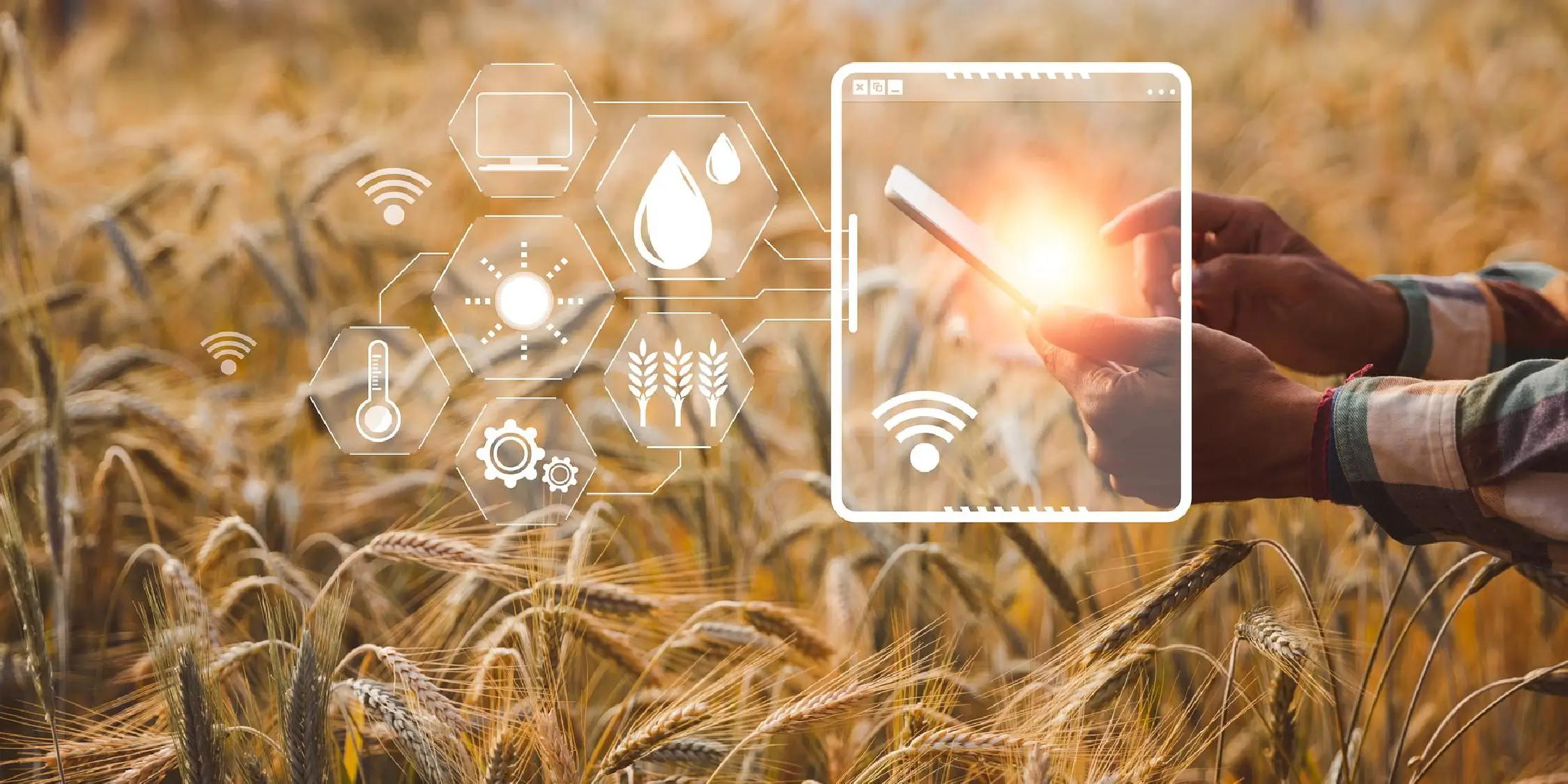
Grains form a cornerstone of global nutrition with staples such as wheat, maize, and rice supplying the bulk of daily calories in many countries. Quality assessment of grain is a critical link in the chain: from harvest, through storage, processing and ultimately consumption. Historically this has depended on biological, chemical, and physical testing and skilled human graders inspecting appearance, test-samples, and behavior.
However, advances in machine vision, deep learning and AI-powered instrumentation are dramatically changing the game: enabling quality checks to be faster, more consistent and better at spotting subtle signs of grain health, damage, moisture, impurities and storage suitability.
- Faster, Smarter Quality Checks: Traditional grain quality inspection often relies on manual grading. This process can be slow, labor-intensive, and subject to human inconsistency. By contrast, AI-enabled systems can evaluate size, color, shape, surface defects, broken grains, foreign matter, and many other morphological indicators in seconds.
- Improved Accuracy: One of the major advantages of AI systems is that they don’t suffer fatigue, bias or variable judgement that human graders might. Using machine vision and deep learning, the systems classify grain quality traits with high precision.
- Reduced Wastage: Accurate assessments mean better sorting, fewer errors, and less wastage during processing. This not only saves money but also supports sustainable agriculture.
- Accessible Technology: We’ve built our systems to be user-friendly and cost-effective, so even small-scale millers can take advantage of cutting-edge technology. Such accessibility helps democratize high-end quality control beyond just large players.
Emerging Trends and Future Directions
Beyond the inspection phase, AI is advancing across the entire grain value chain. Here are some key trajectories:
- AI-Driven Crop Precision: AI-powered hyper-precision farming combines satellite and drone imagery, IoT sensor data and past yield records to deliver micro-level field insights, enabling farmers to predict pest outbreaks, nutrient shortfalls and irrigation needs in real time and to use smart machinery that applies fertilizers, water and pesticides at varying doses tailored to each zone, thus reducing waste and lessening environmental impact.
- Robotic Harvesting Systems:AI-powered agricultural robots are set to transform farming by doing things like weeding and harvesting with minimal human help, they use computer vision and machine-learning to tell crops from weeds and pick produce with precision. They’ll ease labor shortages by automating heavy tasks, and when paired with drones for planting, seeding and spraying, they’ll boost coverage and efficiency while reducing costs and human dependence.
- Intelligent Pest Monitoring: Modern farming is becoming smarter with the help of technology. AI-powered systems can now detect pests and plant diseases early by analyzing images of crops, even before visible signs appear. Once a problem is identified, automated systems can recommend the right treatments, whether chemical or biological, to target the issue precisely, reducing waste and environmental impact. Additionally, global networks collect data from various sources to predict pest outbreaks, allowing farmers to take action before problems spread. These advancements help farmers protect their crops more effectively and sustainably.
- Soil and Water Smart Management: Soil and water management in agriculture is becoming more efficient through the integration of AI and IoT technologies. Real-time irrigation optimization utilizes AI algorithms that analyze soil moisture, weather forecasts, and evapotranspiration data to dynamically schedule water delivery via IoT-enabled systems. Soil health monitoring is another critical aspect, where continuous AI analysis of nutrient levels, microbial activity, and moisture guides practices such as crop rotations, fertilization, and conservation. Lastly, AI contributes to sustainability metrics by assisting in quantifying carbon sequestration and the reduction of water and chemical inputs, supporting ESG-conscious farming.
- Supply Chain Automation: AI-powered market and supply chain systems are transforming agriculture by enhancing efficiency and transparency. Machine learning models forecast commodity prices and consumption trends, enabling farmers to align production with market demand. AI-driven logistics platforms optimize storage, transportation, and distribution, reducing post-harvest losses. Additionally, digital marketplaces integrated with e-commerce and blockchain technologies improve traceability and transparency, benefiting both producers and consumers.
- Multi-Lingual AI Accessibility: AI assistants will support farmers in local languages to improve adoption. Context-aware recommendations will factor in micro-climate, crop variety, soil type and farmer practice to tailor guidance to each farm.
- Integration with Climate Resilience: AI will simulate climate-change scenarios, optimizing planting schedules, varieties, and farming practices for future conditions. Early-warning systems will predict floods, droughts or extreme weather events, enabling pre-emptive crop-management actions.
- Ethical & Governance Considerations: Ethical and governance considerations in AI-driven agriculture are critical to ensure equitable and responsible implementation. Key concerns include data privacy and ownership, ensuring farmers' data is managed with clear consent and transparency to prevent exploitation. Equitable access is essential, ensuring that smallholder farmers are not marginalized due to technological or financial barriers. Additionally, labor displacement concerns arise with increased automation; policymakers must develop frameworks that balance technological advancements with the socio-economic impacts on the agricultural workforce.
Conclusion
AI is revolutionizing grain quality analysis and the broader grain value chain, transitioning from manual inspections to automated, data-driven systems. This shift enhances speed, accuracy, consistency, and scalability while reducing waste. Coupled with advancements in precision farming, robotics, and climate-resilient practices, AI enables smarter management of grains from field to fork.
For stakeholders across the agricultural sector, embracing these technologies can lead to higher-quality yields, better market alignment, and more sustainable practices. However, it's crucial to address challenges such as cost, technology adoption among smallholders, and data governance to ensure equitable access and benefits for all.