


Automating Grain Analysis with Advanced AI Systems
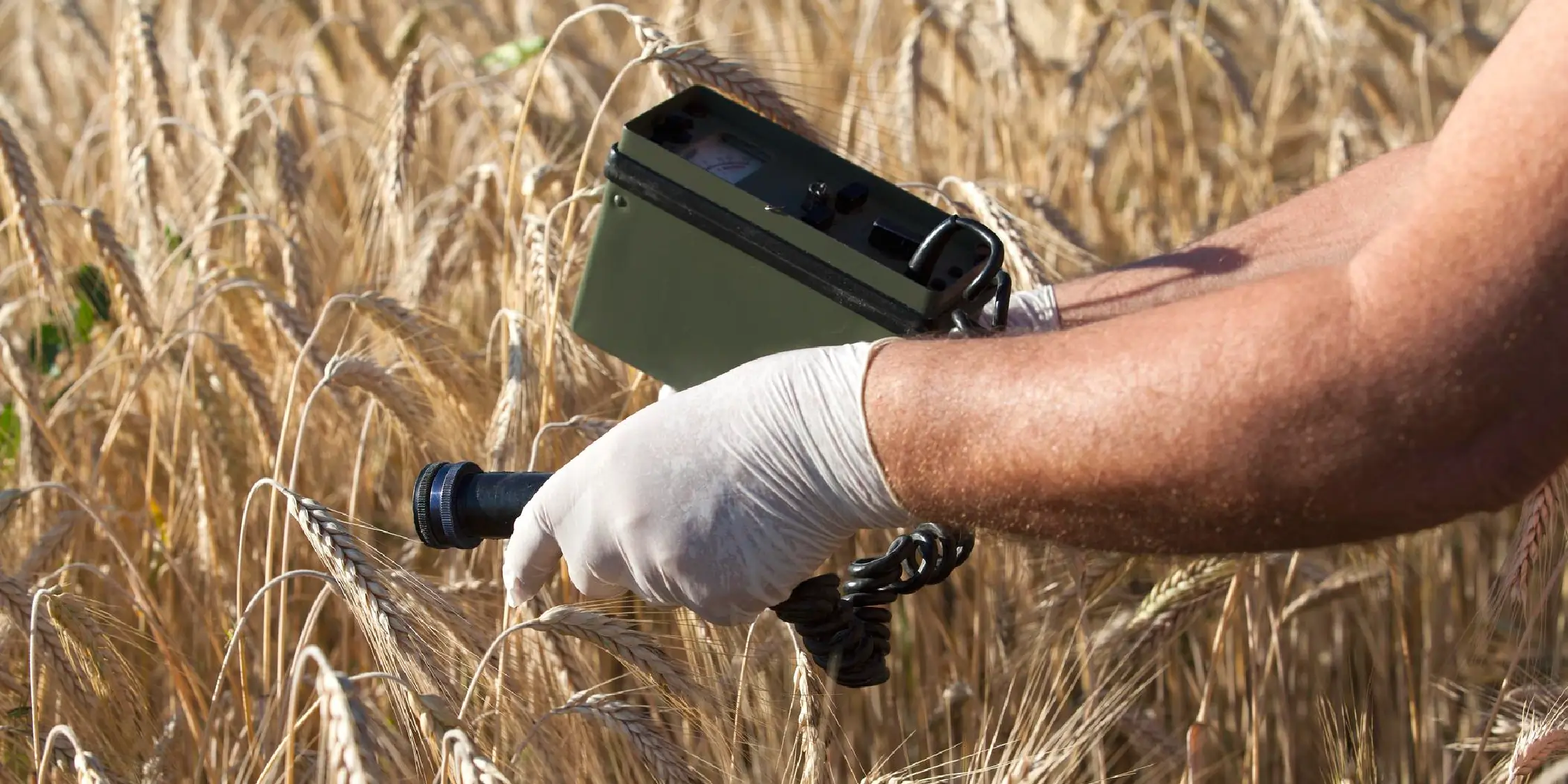
AI grain scanner systems are changing the way we check the quality of grain. They use machine vision technology to automate inspections, which means we can replace slow manual checks with quick, data-driven decisions. This upgrade helps improve efficiency in AgriTech operations. These smart systems take clear pictures and use artificial intelligence to quickly and fairly evaluate things like size, shape, color, and any flaws. They provide steady and clear results, which help farmers, processors, and labs make dependable choices about quality, unlike the usual human inspections. AI grain scanners make important quality checks faster by using automation. They help improve the accuracy of grading and give useful information that helps make the process better all along the agricultural supply chain.
AI-Driven Scanner System
An AI Scanner System is a smart, automated technology that uses artificial intelligence to analyze and understand information. It can quickly scan documents, images, or data, and then identify important details or patterns. This system helps people by making it easier to find specific information and making sense of large amounts of data. An AI scanner system is a clever, automatic tool that uses high-quality cameras and artificial intelligence to check the quality of grain quickly and accurately. These systems are faster and more objective than traditional manual checks. They take clear pictures of grain samples and use machine learning to assess important features like size, color, and any defects or impurities. The technology makes grain scanning and analysis automatic, which provides reliable and unbiased quality information. This helps farmers make faster decisions for their operations. AI grain scanners are designed for places like mills, silos, and grain processing lines. They help increase production speed, lower labor costs, and ensure consistent quality control all along the supply chain.
Machine Vision: Automated Grain Analysis
Machine vision grain scanning starts with high resolution cameras capturing detailed images of grain samples as they pass through the inspection area. These cameras are set up and lit in a way that makes sure every kernel looks clear and stays the same in each shot. This setup allows the system to gather complete visual information for analysis. This imaging step is very important because the quality of the pictures taken directly affects how well the system can evaluate the grain features like size, shape, and color. In many advanced setups, several images or views are captured to make sure that every detail is noticed before moving on to the next step in the process.
After taking pictures, AI models and machine learning programs examine them automatically. They use computer vision to find patterns and sort the grains according to set quality standards. These algorithms learn to spot problems such as damage, dirt, or unwanted substances and turn basic visual information into useful quality measurements. The results go straight into quality control systems. Here, operators can see standard evaluations, start automatic actions, and keep precise digital records without needing to do it by hand. This method provides quicker, more dependable, and unbiased quality checks than the old way of having people inspect things.
Real Time Grain Quality & Defect Detection
Real-time grain quality and defect detection systems work by keeping a constant eye on the grain as it moves through processing lines. They scan grain on the go no need to stop and check things by hand. High-speed cameras snap images of the grains, and AI models analyze them right away. You get instant feedback on things like size, color, and condition as the grain passes through mills, silos, or sorting equipment. This approach not only speeds things up but also bumps up efficiency.
With machine learning and computer vision, these systems spot issues like broken kernels, discoloration, contamination, and other defects with impressive accuracy. The AI compares what it sees to its own trained standards and flags any problem grains immediately. The results go straight into the quality control process, so operators can act fast. By taking the human guesswork out of the equation, you get more consistent, reliable assessments, better grading, and quicker decisions all along the grain handling chain.
Build, Deploy & Scale Grain Vision AI with Databricks
Deploying AI powered grain scanner systems across multiple facilities becomes significantly easier and more effective when backed by a robust data platform like Databricks. This platform can handle huge piles of data, run heavy-duty processing, and scale up or down whenever you need it. With Databricks, teams can pull together all their data tasks, train machine learning models on a big scale, and keep analytics running smoothly no matter where they are. It’s built to scale, so data teams aren’t stuck dealing with manual slowdowns. They can process grain quality data from everywhere and keep quality checks fast, reliable, and in sync across the whole company.
One of the best things about Databricks is how it supports the entire machine learning and AI workflow from building and tweaking models to deploying and keeping an eye on them. Tools like MLflow make it easy to manage experiments and keep track of different model versions. And with built-in model serving, you can run your grain analysis models as REST endpoints that scale automatically when things get busy. This setup keeps everything tuned up, cuts down on update delays, and makes it simple to push out improvements across every scanner you’ve got. With Databricks powering your AI grain analysis, it’s easy to grow your AI setup and stick to high-quality, data-driven inspections everywhere.
Smart Grain Quality Monitoring in Agricultural Operations
AI grain scanners are changing the way grain mills and processors check quality. Instead of relying on slow, manual inspections, these machines use AI and machine vision to quickly judge things like size, color, and defects. The results are fast and consistent, which keeps things moving and helps teams make smarter decisions based on real data. These scanners don’t just work alone, either. When you connect them to larger AI-powered systems across the supply chain, everything runs smoother. You get better efficiency, lower labor costs, and quality control that can actually keep up as your operation grows. In short, AI grain scanners are turning quality checks from a headache into a real advantage for AgriTech.
Seamless AI Integration for Modern AgriTech Operations
AI grain scanners speed up grain inspection, make it more accurate, and cut costs. They keep results consistent, too. Pair them with Databricks’ powerful machine learning and data tools, and you can roll out these systems across your whole business without a headache. We work with AgriTech teams to build and launch Databricks-powered AI grain scanning, everything from training the models to getting them running in real time, out on the floor.